Identify the device, not just the plug
Charging and data cables often look interchangeable even when their capabilities differ. Before placing one in a drawer, connect it to the device it belongs with and write down the device name or purpose. “Desk lamp” is more useful later than “black cable.”
Check both ends and note any unusual connector, length or power requirement. Keep adapters with the cable they support when practical. If a cable has no clear purpose, place it in a temporary review group instead of inventing a label.
Do not test damaged cords. Frayed insulation, bent pins, scorch marks or unusual heat are reasons to stop using the item and follow appropriate local disposal guidance.
Use a label that survives the drawer
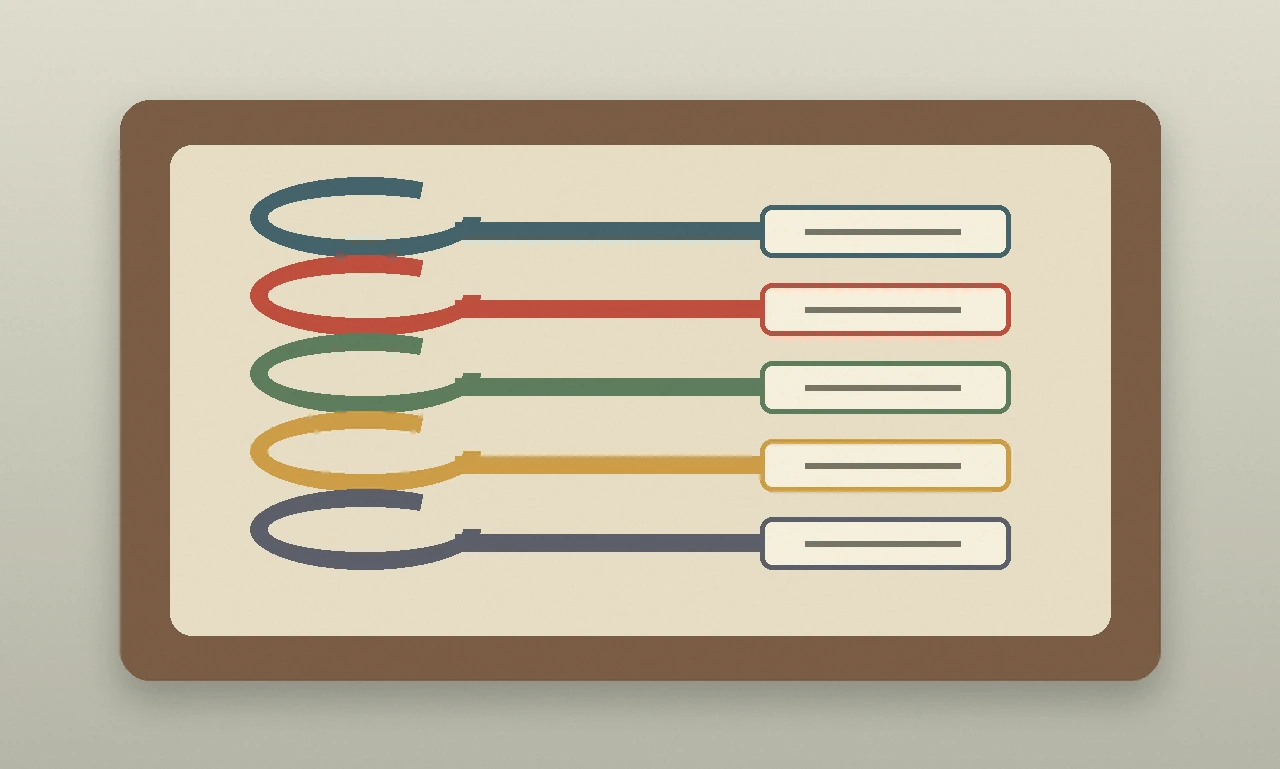
A small tag, removable tape flag or reusable cable marker can carry a short name. Place it near one end without covering vents, connector contacts or information printed by the manufacturer. Use wording you will recognise months from now.
For identical cables, add a location: “bedside phone,” “office monitor” or “travel bag.” The label should describe where the cord is normally used, not create a technical claim about compatibility that you have not verified.
Coil the cable loosely and avoid sharp bends. A simple tie can keep it together without pulling on the connector. Store heavier power supplies where they will not press against delicate plugs.
Let the drawer show what is missing
Group cords by purpose rather than colour. Charging, display, audio and specialised device cables are useful starting points. Leave enough room to see the labels without emptying the whole drawer.
When a device leaves the household, review its accessories at the same time. A cable may work with another product, but confirm that before keeping it as a universal spare. Recycle electronics through an accepted local program rather than placing uncertain items in ordinary waste.
The goal is not a perfectly curated collection. It is a drawer that answers a practical question quickly: which cable do I need, and what is this one for? One label made today can prevent several guesses later.
About this article
An original everyday guide from Everyday News. It offers practical ideas and perspective rather than firsthand reporting.