Map comfort as well as distance
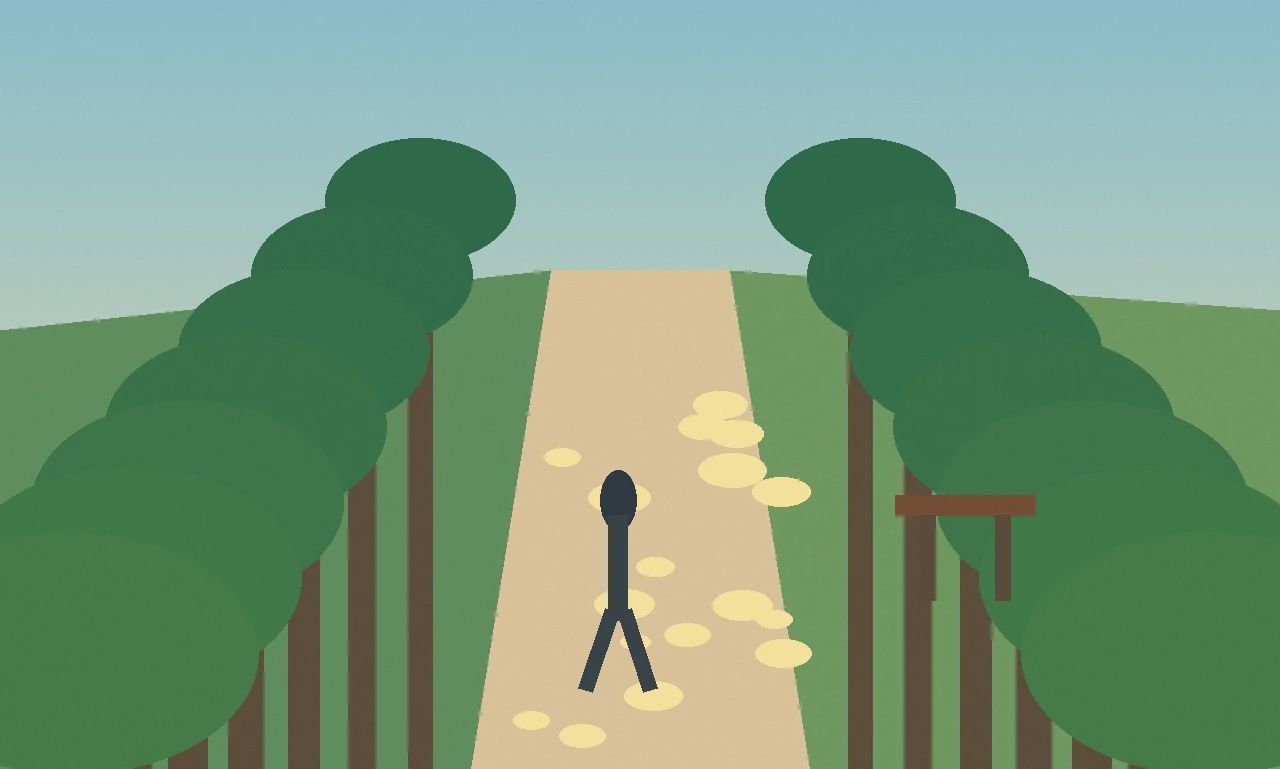
Route planners are good at measuring distance and time. They are less consistent at showing where a street feels exposed, where trees shade the pavement or where a bench offers a useful pause. On a warm day, those details can change which route makes sense.
Begin with a familiar journey and compare one reasonable alternative. Look for continuous shade rather than a single tree, safe crossings rather than improvised shortcuts, and public places where you can stop without blocking the path. Current local conditions matter more than a general map.
Comfort is personal. A route that works well for one walker may be too steep, too busy or too indirect for another. Treat the exercise as a way to notice options, not as a universal recommendation.
Observe at the time you travel
Shade moves throughout the day. A building that protects one side of the street in the morning may leave it fully exposed later. If practical, look at the route around the time you normally use it and note which sections remain comfortable.
Pay attention to temporary conditions too. Construction, closed paths or removed trees can make an old observation unreliable. Use official notices and current directions where they are available, particularly when a detour affects crossings or access.
Keep any route note simple: where shade begins, where it ends and where a safe pause is possible. A few accurate landmarks are more useful than a complicated description that will be difficult to remember while walking.
Make the choice easy to repeat
Once you find a useful route, save it in a form that suits you. That might be a marked map, a short list of turns or a note attached to the destination. Include the date if conditions are likely to change.
Revisit the choice across the seasons. Leaves, daylight and maintenance can alter the same street. A route is not permanently “cool” or “comfortable”; it is an option that worked under particular conditions.
The broader lesson is that distance is only one measure of a journey. Shade, crossings, surfaces and places to rest belong in the picture too. A slightly longer route can be the more practical route when it fits the day and the person taking it.
About this article
An original everyday guide from Everyday News. It offers practical ideas and perspective rather than firsthand reporting.

