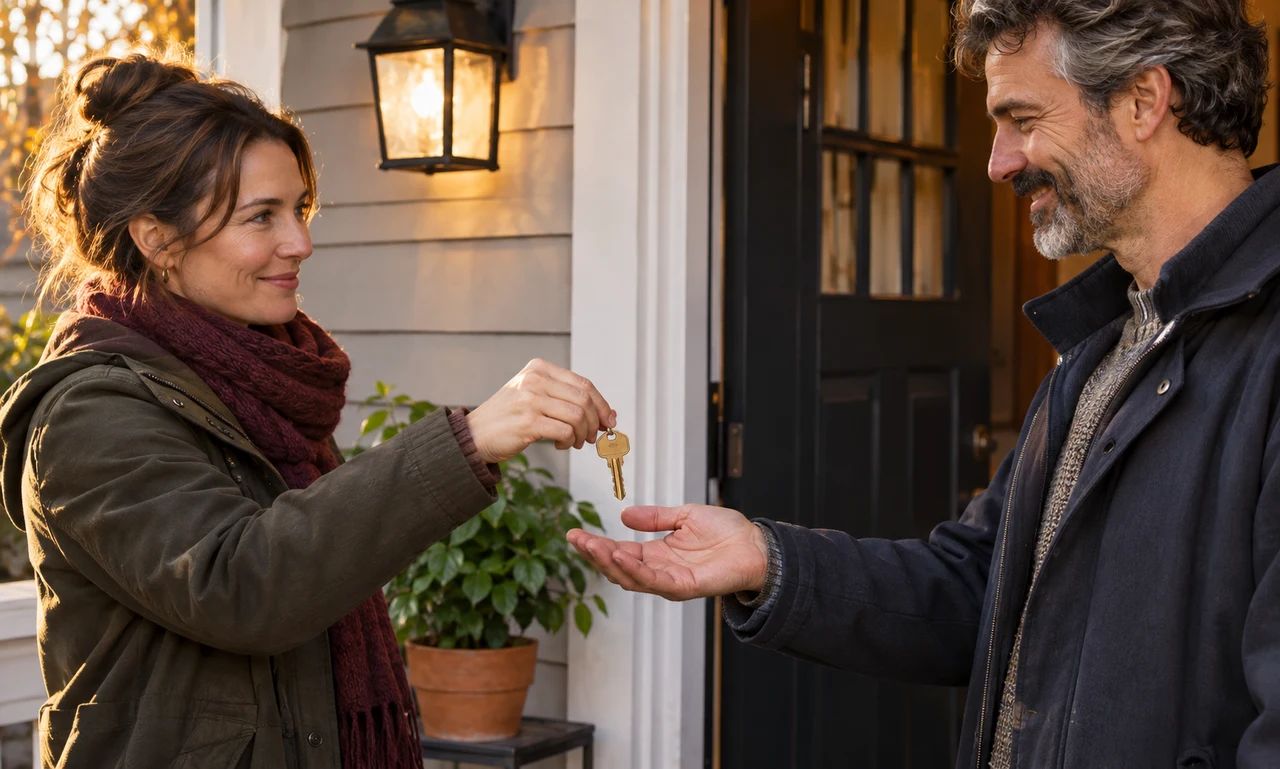
Agree on the limits before taking the key
A borrowed key carries more responsibility than most borrowed objects because it represents access. Before accepting it, agree on what it opens, why you need it, when it should be returned and whether anyone else is authorized to use it.
Do not copy the key, add identifying details to its tag or lend it to another person without clear permission. Keep it separate from information that connects it to an address. If a building uses a fob or electronic credential, follow its rules as well.
Choose a return time while both people are present in the conversation. A clear plan prevents the key from remaining in a pocket or drawer after the original task is finished.
Keep the key under your control
Carry the key securely and use it only for the agreed purpose. Do not leave it in a vehicle, unlocked bag, public hiding place or unattended workspace. Avoid photographing it or posting details about the access arrangement.
If the key is lost, stolen or possibly copied, tell the owner immediately. Delaying the conversation can increase the risk and limit the owner’s options. Follow their direction about building management, replacement or changing the lock.
Do not attach the owner’s full name, address or unit number to the key. A simple temporary marker may help distinguish it, but the marker should not tell a stranger where it works.
Make the return unmistakable
Hand the key back directly at the agreed time and name what you are returning. The owner can then confirm that the correct key or fob is present and that the temporary access has ended.
If an in-person return is impossible, agree on a secure alternative rather than leaving the key under a mat, in a mailbox or with an unexpected third person. Send a short confirmation after the handoff.
The return is more than a courtesy. It closes a practical loop of trust: access was given for a reason, held within clear limits and then placed back in the owner’s hands.
About this article
An original everyday guide from Everyday News. It offers practical ideas and perspective rather than firsthand reporting.

