Describe the destination inside the building
An invitation should name the venue, street address and specific room when the building has more than one gathering space. Include the floor, wing or entrance if that distinction matters.
Use the room name that appears on official signs rather than an informal nickname known only to regular visitors. For online listings, keep the same wording across the invitation, calendar and reminder.
If the room may change, tell guests where the final location will be posted. Avoid leaving a handwritten correction at one entrance as the only update.
Explain the usable arrival route
Add concise directions from the main entrance and note the accessible entrance, lift or step-free route using accurate information from the venue. Do not assume every entrance leads to the same place.
Mention reception, security or check-in requirements that guests must complete. Provide an organizer or venue contact for arrival problems without publishing private personal details unnecessarily.
Maps and photographs can help, but keep the written directions too. A visitor may have limited data, a small screen or a different way of navigating the building.
Check the route before guests do
Walk the arrival route before the event if possible. Confirm that doors are open at the stated time, signs are visible, lifts are operating and temporary construction has not changed the path.
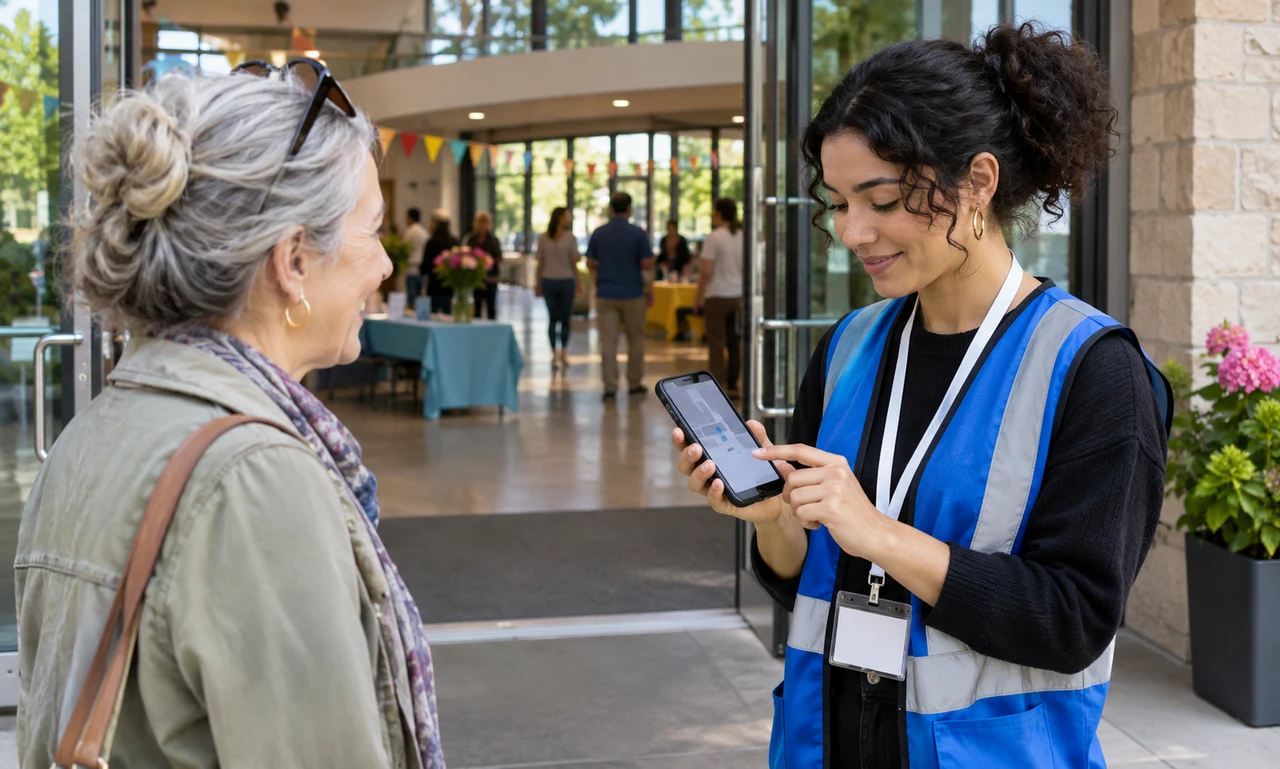
Give volunteers the same location details and ask them to watch the most confusing decision point. A helpful person near the entrance is more useful than several people waiting inside the room.
Clear directions make the welcome begin before conversation. They reduce late arrivals, repeated calls and the uncomfortable feeling of being close to an event but unable to find it.
About this article
An original everyday guide from Everyday News. It offers practical ideas and perspective rather than firsthand reporting.

